
CDS Field Operations
CDS Bulletin Board
Real-time dispatch updates, operational notices, driver earnings scaling, and certification announcements for CDS Drivers and Field Operators.
Institutional Cross-Link
👉 Access Main Compliance & Systemic Updates (National Bulletin Board)
Jump to the EMTALA Compliance Certification app · National Bulletin Board
Open
Driver Earnings Breakdown$600 – $1,000 Scale
0–10 trips
$600
Base monthly floor
↓ scales up
11–25 trips
$750
+ $150 scaling
↓ scales up
26–45 trips
$900
+ $150 scaling
↓ scales up
46+ trips
$1,000
Maximum tier
Earnings scale from a $600 base floor to $1,000 maximum based on completed trip volume and maintained compliance score. Red Critical certification status may restrict dispatch eligibility.
Post a Field Bulletin
Real-Time Field Feed
Operational NoticeHigh
Pickup Flexibility Policy (Executive‑Grade Rewrite)
# Pickup Flexibility Policy (Executive‑Grade Rewrite)
## 1. Purpose of Pickup Flexibility
Pickup flexibility exists to accommodate the real clinical and social conditions of patients receiving medical transportation. Many patients temporarily stay with family members, caregivers, or support persons when they are ill, recovering, or unable to remain alone at their registered home address.
Because these temporary locations are clinically relevant and often safer, the transportation system must allow pickup from wherever the patient is actually located at the time of service.
**Pickup flexibility is a patient‑safety requirement, not a business option.**
---
## 2. Why Patients May Not Come From Their Registered Home Address
Healthcare executives must understand that the "registered home address" is an administrative anchor, not a clinical reality. Patients frequently:
- Stay with a sister, daughter, or caregiver during illness
- Recover at a temporary residence
- Sleep at a different location due to mobility limitations
- Move between homes of relatives for support
- Stay overnight at a location closer to the hospital
- Require pickup from a safe environment rather than an empty home
Mandating that patients return to their registered home address before transport would:
- Increase clinical risk
- Delay care
- Create unnecessary travel burden
- Contradict patient‑centered care principles
- Violate common‑sense medical logistics
Therefore:
**Patients determine their pickup location based on where they are actually receiving care or support at the time of transport.**
---
## 3. Role of CDS in Pickup Flexibility
CDS do not choose pickup locations for business purposes.
CDS only determine whether the patient's chosen pickup point is:
- Clinically appropriate
- Safe
- Within the operational flexibility radius (1–10 miles)
- Logistically feasible
This protects CDS from accusations of manipulating pickup points and ensures compliance integrity.
**CDS approve or decline pickup locations; they do not create them.**
---
## 4. Why CMS Calculation Must Remain Fixed to the Registered Home Address
CMS requires budget predictability and uniform reimbursement logic.
To achieve this, CMS must anchor all calculations to a single, stable origin:
Registered Home Address → Hospital
Hospital → Registered Home Address
This fixed route:
- Allows CMS to model cost accurately
- Prevents billing manipulation
- Eliminates variable mileage exposure
- Ensures consistent bracket placement
- Protects federal and state budgets
- Maintains audit clarity
Pickup flexibility is operational, not financial.
**CMS reimburses only the fixed home‑to‑hospital route, regardless of where the patient is actually picked up.**
---
## 5. Why We Do NOT Mandate Pickup From the Registered Home Address
Mandating home‑only pickup would:
- Force sick patients to travel unnecessarily
- Create unsafe situations
- Increase delays in care
- Contradict medical best practices
- Increase CDS operational burden
- Increase CMS costs due to unnecessary mileage
- Reduce system efficiency
- Harm patient satisfaction and outcomes
Pickup flexibility is therefore essential for:
- Clinical appropriateness
- Patient safety
- Operational efficiency
- Equitable access to care
---
## 6. How Fairness Is Preserved for CDS
Within the 1–10 mile flexibility radius:
- Some pickups will be shorter than the home→hospital route
- Some pickups will be longer
- The variation naturally balances out over time
- The $50 flat‑fee bracket ensures stable revenue
- CDS drop the first $50 quickly and move to the next $50
- No brokerage fees, no denials, no insurance shocks
This creates a survival‑minded, efficient, predictable medical transport economy.
**CDS gain margin on shorter trips and absorb minor cost on longer trips — a fair exchange for eliminating 70% of their risk.**
---
## 7. Final Executive Summary Sentence
"Patients determine their pickup location based on real clinical circumstances. CDS approve or decline pickup points for safety and feasibility. CMS reimbursement remains fixed to the registered home address to ensure budget predictability, while operational pickup flexibility ensures patient safety and system efficiency."
Taya Foundation · 12d ago
EarningsNormal
July Earnings Scaling Reminder
Base floor $600 scales to $1,000 maximum at 46+ completed trips. Maintain compliance score above threshold to unlock top tier. Red Critical status reduces eligible trip volume.
Driver Payroll · 62d ago
Dispatch UpdateHigh
Morning Dispatch Routes Released
New non-emergency dispatch assignments for Zones 3 and 4 are now live. Confirm pickup readiness in your daily verification before accepting runs.
Dispatch Coordination · 62d ago
Operational NoticeNormal
AeroBed Dual-Wheel Inspection Window
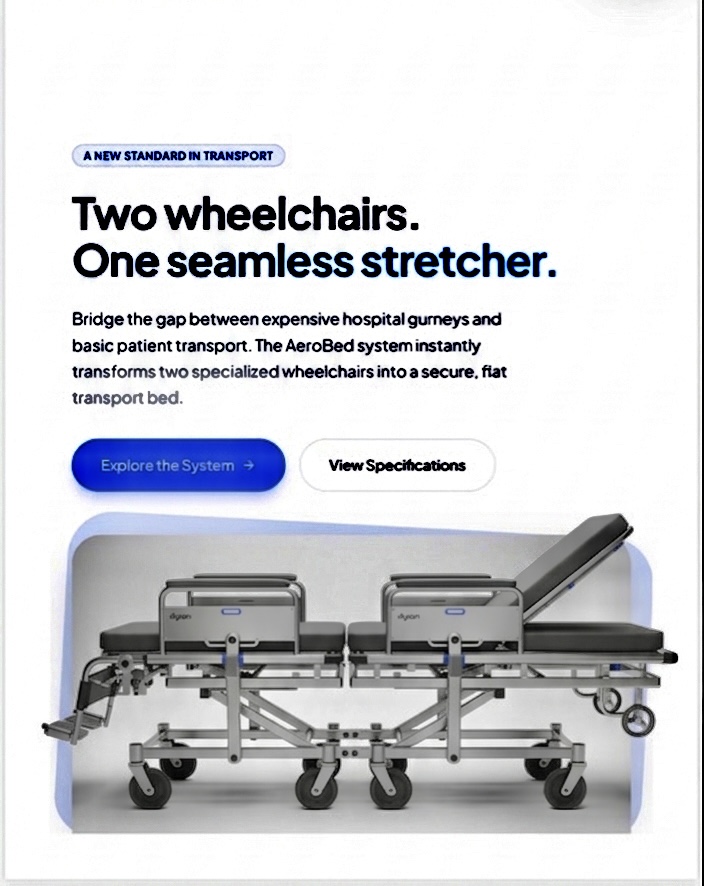
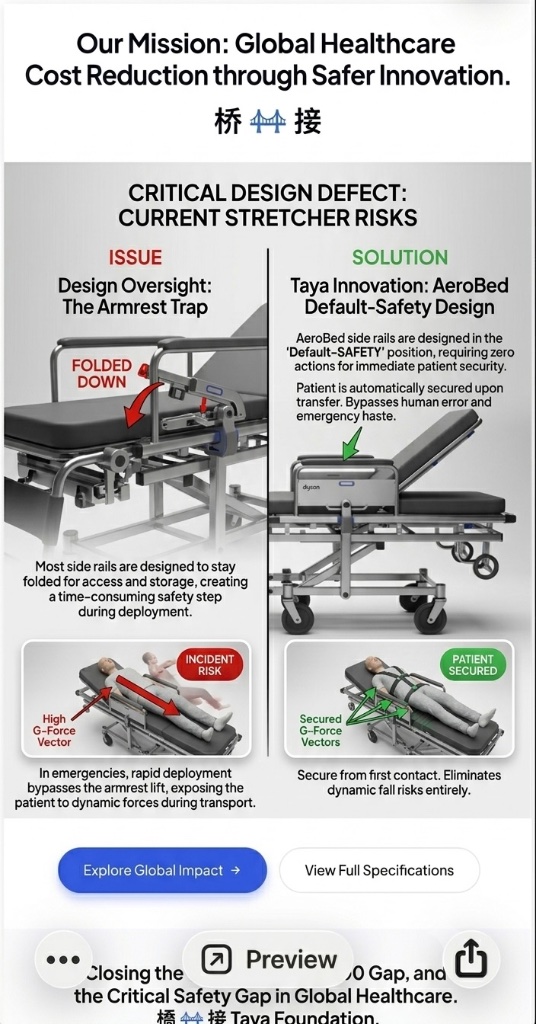
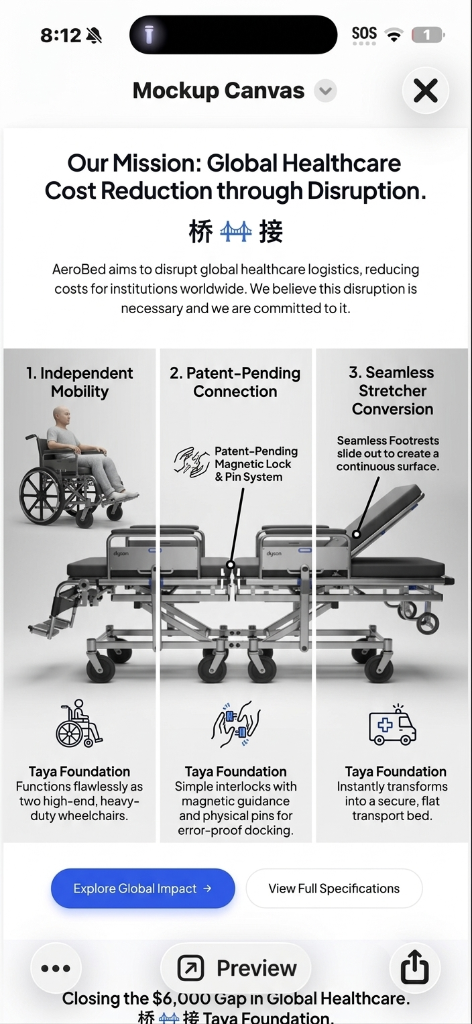
Field operators must complete the dual-wheelchair adapter kit inspection before each shift. Log confirmation in the iSMART module. Unverified kits will block dispatch.
Operations · 62d ago
CertificationCritical
RED CRITICAL: Lapsed CDS License Holders
Operators with expired CDS licenses are now flagged Red Critical. Dispatch is blocked until renewal is verified. Complete Module 7 exam and upload EHR confirmation to restore eligibility.
Compliance Office · 62d ago

